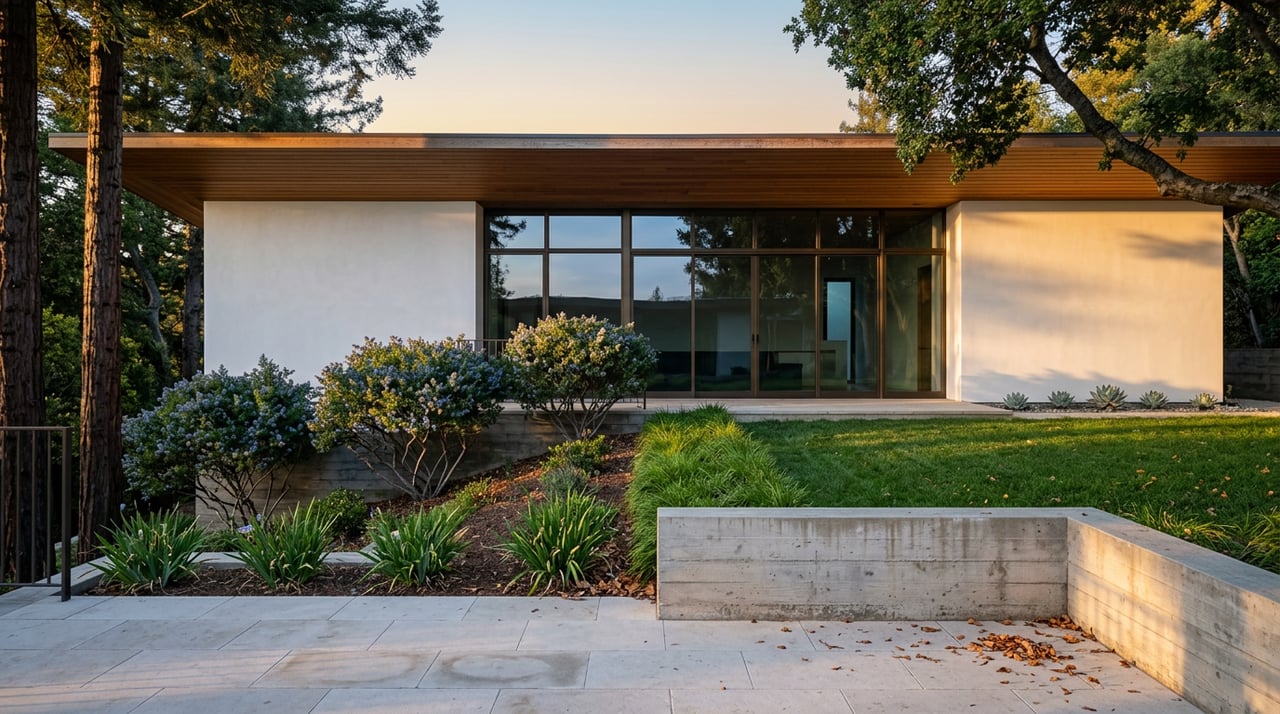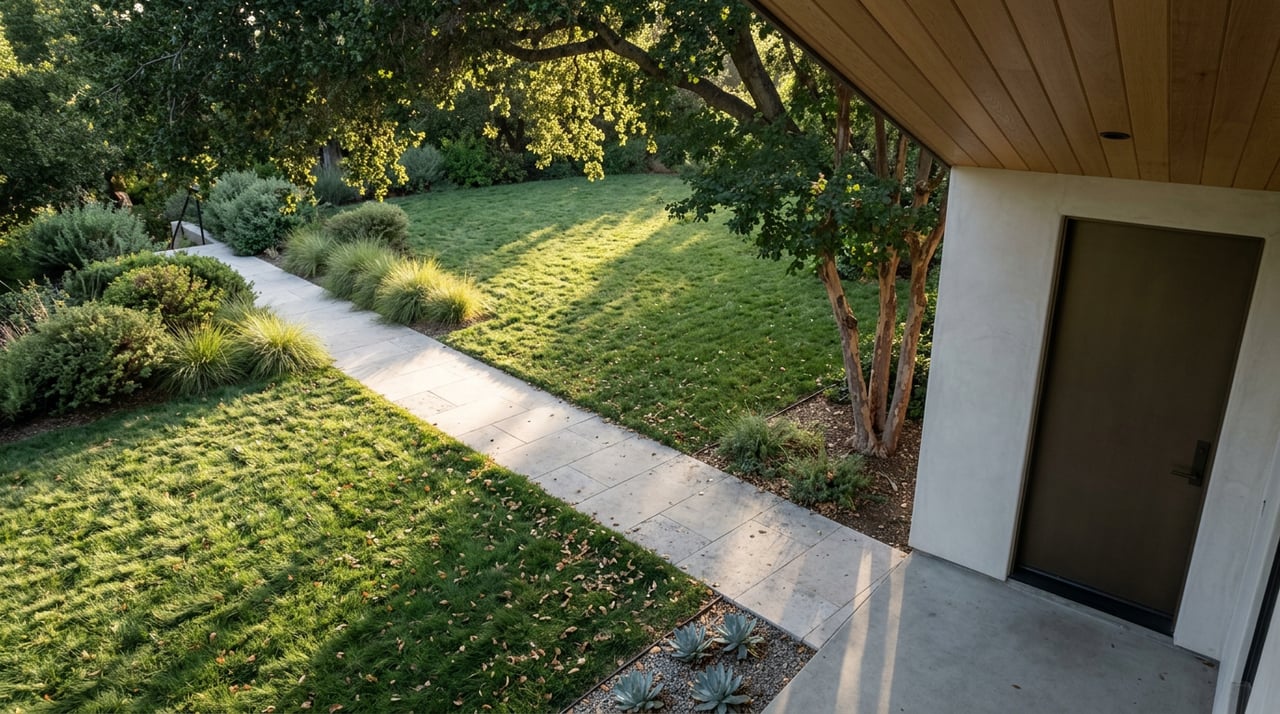
If you are preparing a Kentfield estate for sale, the biggest mistake is usually not the paint color or the staging budget. It is starting cosmetic work before you understand the property’s records, disclosure obligations, and site constraints. In a high-value, selective market like Kentfield, thoughtful preparation protects value, reduces surprises, and helps your home come to market with confidence. Let’s dive in.
Why preparation matters in Kentfield
Kentfield operates in a premium segment of the Marin market, and buyers tend to evaluate both presentation and property readiness closely. Public market data in early 2026 showed Kentfield sale and listing prices well above countywide norms, while Marin County overall remained a seller’s market.
That combination can create opportunity, but it also raises expectations. When your property is an estate-scale home with larger grounds, older improvements, or a longer ownership history, buyers often look carefully at condition, permits, disclosures, and site work. Strong preparation helps you meet that scrutiny from the start.
Start with records before finishes
Before you repaint walls, refresh landscaping, or book a photographer, begin with a full property audit. California requires sellers of one-to-four unit residential property to use the Real Estate Transfer Disclosure Statement, and sellers and agents must disclose material facts affecting value, desirability, or intended use.
That is why document gathering and early inspections usually matter more than rushing into surface-level updates. If questions come up later about additions, repairs, site conditions, or deferred maintenance, it is far better to uncover them before you spend money on cosmetics.
What to gather early
A practical early file for a Kentfield estate often includes:
- Prior permit records for additions, decks, pools, spas, guest structures, or major remodels
- Roofing, pest, drainage, or engineering reports if you have them
- Records for septic systems, if applicable
- Any past tree, grading, or site-work approvals
- Notes on wildfire-zone compliance if the property is in a High or Very High Fire Hazard Severity Zone
Third-party reports from inspectors, engineers, contractors, pest inspectors, and similar experts can also support your disclosure package. In many cases, they help clarify issues early and reduce uncertainty before the home is launched to the market.
Audit risk items before cosmetic work
On larger Kentfield properties, the most important pre-listing questions are often outside the main living room. Site conditions, older systems, and permit-sensitive improvements can affect timeline, budget, and buyer confidence.
Check age and renovation constraints
If the home was built before 1978, lead-based paint rules may apply. Any renovation, repair, or painting work that disturbs painted surfaces in pre-1978 housing should be evaluated early so the work can be handled safely and disclosed properly.
This matters for common pre-sale updates such as sanding trim, repainting windows, or refinishing older surfaces. What looks like a simple visual refresh can quickly become a regulated construction task.
Review septic requirements if applicable
Some properties in unincorporated Marin rely on septic systems. Marin County Environmental Health Services can answer sale-related questions, identify inspection or upgrade requirements, and process septic-related permits.
If your estate has septic, move this to the top of the checklist. Septic questions can affect timing, scope of work, and what you should disclose to buyers.
Confirm wildfire disclosure requirements
Wildfire compliance should also be screened early. California law requires additional fire-hazard disclosure for homes in High or Very High Fire Hazard Severity Zones, and the Kentfield Fire Protection District provides the state-mandated review for properties in those zones as part of the sale and disclosure process.
The district recommends scheduling promptly, with at least 72 hours' notice, because inspections are first-come, first-served. If corrections are needed, you will want time to complete them before the listing goes live.
Review permit needs before work begins
Marin County permit timing can shape your sale plan. Some simple replace-in-kind maintenance permits can be issued online without plans, while certain minor non-structural kitchen and bath remodels may qualify for a lighter process.
Larger projects are different. Additions, ADUs, decks, trellises, accessory structures, pools, spas, and hot tubs require plans, and the County notes that review can take 6 to 8 weeks. If your estate needs more than touch-up work, that timing should influence your listing schedule.
Focus on the improvements that move value
For many Kentfield estates, the best return does not come from trying to reinvent the property. It often comes from removing uncertainty first, then making selective improvements that sharpen presentation and usability.
In practical terms, that usually means emphasizing access, drainage, curb appeal, lighting, paint, and disciplined landscape editing. Buyers notice how a property feels on arrival, how the grounds frame the home, and whether the house appears well cared for and easy to understand.
Be careful with grading and hillside work
On larger parcels, site work can trigger county oversight faster than sellers expect. Marin County defines grading broadly enough to include excavation, filling, driveway construction, roadway work, and hillside stabilization, and many types of grading or soil disturbance require a permit before work begins.
That is especially important on sloped lots. Starting grading before a permit is issued can violate county code, so any plan to reshape land, improve drainage, expand access, or clear large areas should be reviewed before crews mobilize.
Plan tree work before cutting
Tree removal can also be permit-sensitive on estate properties. Marin County requires permits in several situations, including removal of more than two protected trees from a developed lot in a 12-month period, heritage tree removal, and certain work in stream or wetland conservation areas.
The County may also require replacement trees, an in-lieu fee, or a landscaping and vegetation-management plan. If your goal is cleaner sightlines or a more polished approach, selective planning with an arborist is often smarter than broad clearing.
Prioritize restrained landscape editing
Because county grading and tree rules can affect scope and timing, a restrained strategy usually works best. Preserve healthy canopy where possible, improve sightlines selectively, and clean up overgrowth without assuming every area can be cleared quickly.
That approach often supports both compliance and presentation. It also tends to fit the quiet, established character buyers expect from Kentfield estates.
Stage the rooms that matter most
Once the property issues are understood and major work is complete, staging and visuals become the final layer of value protection. This is not just about decoration. It is about helping buyers understand scale, flow, and lifestyle.
According to the 2025 Profile of Home Staging, 83% of buyers’ agents said staging made it easier for buyers to visualize a property as a future home, and 73% said photos were much more or more important to clients. The most important rooms to stage were the living room, primary bedroom, and kitchen.
For a Kentfield estate, that usually means focusing first on:
- Principal living spaces
- The kitchen
- The primary suite
- Main entertaining areas
- Key indoor-outdoor spaces that support the home’s overall story
Trying to style every room equally can spread resources too thin. A more strategic approach is to make the most visible and emotionally important spaces feel calm, scaled, and complete before photography.
Use a smart 6 to 18 month timeline
If you have the luxury of time, a 6 to 18 month preparation window can create better results than a rushed launch. The most effective sequence is usually to audit first, resolve inspections and permit questions second, complete site work and repairs third, and stage and photograph last.
That order lines up with California disclosure requirements and Marin County processing timelines. It also helps you avoid a common problem: spending on finishes before you know whether site corrections, permit issues, or required inspections will disrupt the plan.
A simple sequencing framework
1. Audit records and risks
Start with permit history, property systems, fire-zone status, septic questions, and any known site concerns. This stage helps you understand what is cosmetic, what is structural, and what could affect disclosure.
2. Resolve inspections and permit questions
Next, schedule the inspections and agency conversations that may shape the scope. For some estates, this includes septic review, fire-hazard inspection, arborist guidance, or permit research tied to past or proposed work.
3. Complete required repairs and site work
Address the items that materially affect marketability, compliance, or buyer confidence. This might include drainage corrections, deferred maintenance, selective landscape work, or approved improvements that clarify how the property has been maintained.
4. Finish with presentation
Only after the work is truly complete should you move into staging, photography, and marketing preparation. This gives you the best chance to present a polished home without unresolved loose ends.
Build a pre-list package buyers respect
In a selective luxury market, documentation can be as important as presentation. A well-organized pre-list package helps buyers and their representatives evaluate the property with fewer unknowns.
For many Kentfield estates, that package may include the completed Transfer Disclosure Statement and related California disclosure forms, along with any septic reports, fire-zone documentation, permit records, and third-party inspection reports. When a buyer sees clear documentation, the home often feels more credible and more ready.
The real goal is confidence
Preparing a Kentfield estate for market is not about over-improving the property or chasing every trend. It is about sequencing the work wisely, understanding the local approval landscape, and presenting the home in a way that feels intentional and well supported.
When you remove uncertainty early, your later decisions become clearer. You can invest in the improvements that actually help your property show better, disclose cleanly, and compete at the level Kentfield buyers expect.
If you are planning a sale and want a calm, strategic process from early audit through market launch, Drew Thomas offers data-driven guidance, design and construction consultation, and discreet support tailored to Marin’s high-value micro-markets.
FAQs
What should you do first when preparing a Kentfield estate for sale?
- Start with a records and risk audit, including permit history, disclosure items, site conditions, septic questions if applicable, and wildfire-zone requirements before beginning cosmetic updates.
Do Kentfield estate sellers need inspections before listing?
- California sellers must complete required disclosures, and third-party reports from inspectors, engineers, pest professionals, contractors, or arborists can help clarify issues and support the disclosure process.
Can landscape cleanup on a Kentfield estate require permits?
- Yes. In unincorporated Marin, grading, soil disturbance, driveway work, and certain tree removal activities may require permits, especially on larger or sloped lots.
Does a pre-1978 Kentfield home need special care before repainting?
- Yes. If work disturbs painted surfaces in a pre-1978 home, lead-safe requirements may apply, so those updates should be screened early.
What rooms should you stage in a Kentfield estate?
- Focus first on the living room, kitchen, primary bedroom, and main entertaining spaces, since those areas tend to have the biggest impact in photos and in-person showings.
How long should you plan to prepare a Kentfield estate for market?
- A 6 to 18 month window can be useful for larger or more complex properties, especially when inspections, site work, permit review, and polished marketing preparation all need to be coordinated.