Thinking about listing in Sausalito and wondering if a pre‑inspection is worth it? In a market with hillside foundations, salt‑air exposure, and many older homes, small unknowns can become big surprises once a buyer’s inspector walks through. You want clarity, speed, and fewer last‑minute renegotiations. In this guide, you will learn what pre‑inspections cover, how they play out in Marin, when to order them, typical costs, and a simple plan to put them to work for your sale. Let’s dive in.
What a pre‑inspection is
A pre‑inspection is a diagnostic evaluation you order before your home hits the market. The goal is to identify defects early, understand repair costs, and set buyer expectations with transparency. Typical reports include a general home inspection, a wood‑destroying pest inspection, a sewer‑scope, and specialty checks like roof, chimney, or structural as needed.
Most general home inspections follow recognized standards such as ASHI or InterNACHI. In California, termite reports are completed by licensed structural pest control professionals. With findings in hand, you can repair issues, offer buyer credits, price accordingly, or sell as‑is with full disclosure.
Marin and Sausalito risk factors
Local context matters. Marin County has a large share of older homes alongside high‑end waterfront properties and modern remodels. In Sausalito and San Rafael, you often see hillside construction, coastal weather, and mixed permit histories.
Common local issues include water intrusion at roofs, windows, and decks, plus hillside drainage that can stress foundations. Wood decay and termites are frequent in older structures, and salt air can accelerate corrosion of fasteners and mechanical equipment near the water. Many properties also have aging electrical systems, older HVAC, unpermitted work, or exterior elements like decks, railings, and retaining walls that need safety attention.
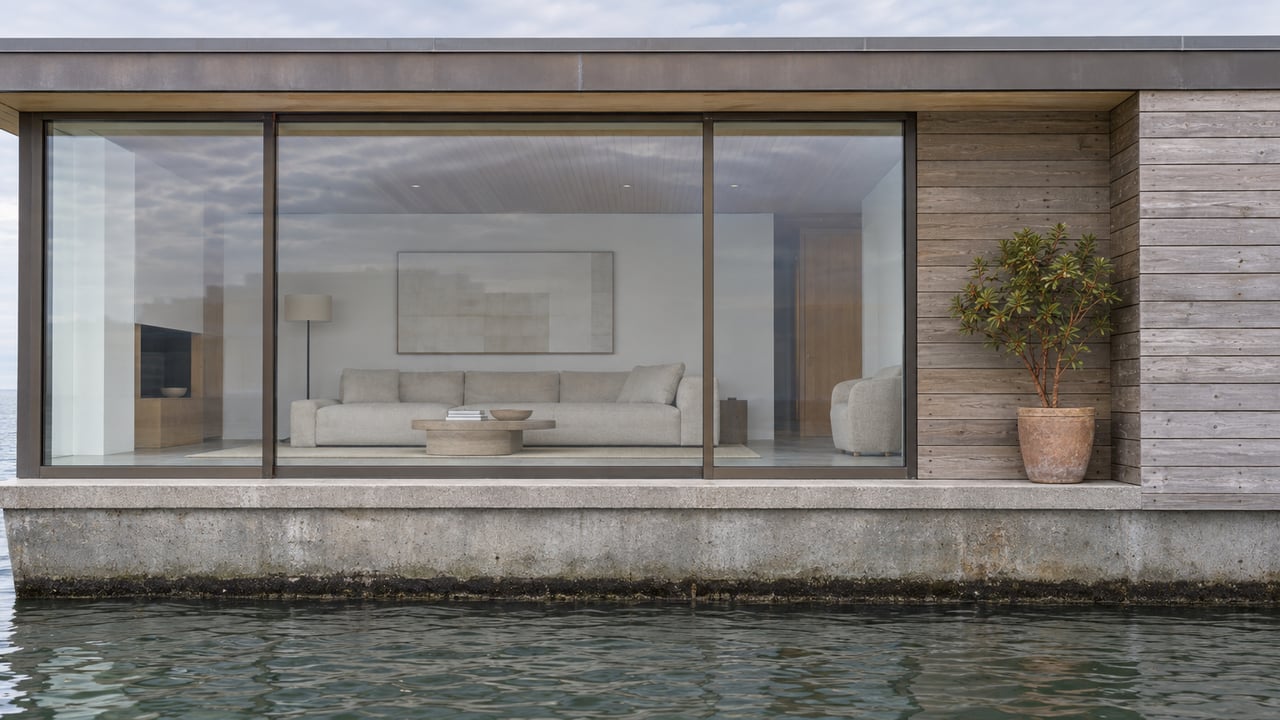
Parts of Sausalito are low‑lying, so flood mapping and tsunami considerations may surface during buyer due diligence. Waterfront homes with seawalls or pilings often warrant specialist evaluations. Getting ahead of these topics helps you price and disclose with confidence.
Pros and cons for Marin sellers
Key advantages
- Reduce surprises by learning about material defects early, which helps avoid escrow crises.
- Control timing and scope by getting contractor bids before you list and choosing which fixes to complete.
- Improve buyer confidence with recent reports, which can reduce contingency renegotiations and speed closing.
- Price with precision and market transparently when you know the true condition of major systems.
Potential downsides
- Upfront cost for inspections and any follow‑up specialty reports or repairs.
- Buyers may still order their own inspections, and interpretations can differ.
- Revealed defects can become negotiation points, although you must disclose known issues regardless.
- Some sellers worry about legal exposure, yet documented findings plus thorough disclosure often reduce risk.
When a pre‑inspection makes sense
A pre‑inspection usually pays off for older homes, hillside properties, waterfront homes, and any property with visible deferred maintenance or suspected structural or pest issues. It is also helpful when you plan to disclose unpermitted work or address it before listing. In slower or balanced markets, pre‑inspections are a competitive advantage because buyers have more leverage.
It may be less critical for newer homes with recent permitted renovations and clean permit histories. In very hot markets, some sellers skip pre‑inspections, though your disclosure duties remain the same.
Which inspections to order and typical costs
Essential or commonly recommended
- General home inspection: evaluates structure, roof, plumbing, electrical, HVAC, and basic drainage. Typical range: about $400 to $900.
- Wood‑destroying pest inspection and report: common in California. Typical range: about $150 to $400.
- Sewer lateral video scope: especially important for older lines. Typical range: about $150 to $400.
- Roof inspection: if not fully covered by the general inspection. Typical range: about $150 to $400.
- Chimney and fireplace inspection: plus a flue sweep if recommended. Typical range: about $100 to $300.
Specialty, based on property risk
- Structural or engineering evaluation for foundations, retaining walls, slopes, seawalls, or pilings. Typical range: about $500 to $2,500+ depending on scope.
- Seawall or marine engineer report for waterfront properties; pricing varies with complexity.
- Mold or moisture intrusion inspection if leaks or water staining are present. Typical range: about $200 to $800.
- Asbestos or lead paint testing for pre‑1978 homes or where old materials were disturbed.
- Geotechnical or soils input for hillside or landslide concerns, often at higher cost and longer lead times.
How to choose qualified inspectors
Select inspectors with proper state licenses and relevant professional memberships. Ask for sample reports, proof of insurance, and references. Look for reports with clear photos, plain‑English explanations, and next steps. When you receive findings, obtain written bids from licensed contractors, since inspector cost estimates are only approximations.
Three proven seller approaches
- Order full pre‑inspections and make repairs before listing. This reduces contingencies and can lead to faster, cleaner escrows, but requires upfront spending and project management.
- Order inspections, disclose findings, and offer a buyer credit or price adjustment instead of making repairs. You avoid contractor management while still giving buyers clarity. Be prepared for some negotiation.
- Skip pre‑inspections, disclose what you know, and let buyers investigate in escrow. You avoid upfront costs but accept higher risk of delays and renegotiations.
Repair or credit: how to decide
Prioritize safety and habitability items. Roof leaks, structural settlement, active pest damage, or electrical hazards usually warrant repair. Cosmetic items can be disclosed and left to buyer preference. Compare repair cost with expected price impact. Big fixes that remove deal‑breaker concerns often pay for themselves, while small items may be better handled through disclosure and pricing.
Legal and disclosure basics in California
You must provide a Transfer Disclosure Statement that lists known material defects and relevant facts about the property. A Natural Hazard Disclosure is also required, which covers whether the home lies in certain mapped zones such as flood, seismic hazard, or very high fire hazard severity zones. If you know of unpermitted or non‑compliant work, you must disclose that as well.
A pre‑inspection helps you prepare more accurate disclosures, but it does not remove your duty to disclose, and it does not prevent buyers from performing their own inspections. For complex issues, significant defects, or complicated permit histories, consult your real estate agent and a real estate attorney.
Pre‑listing checklist and timeline
- 2 to 4 weeks before listing: schedule a general home inspection and termite inspection, plus a sewer scope for older lines.
- Right after reports arrive: review findings with your agent, choose what to repair versus disclose versus price for, and request contractor bids for major items.
- Before going live: complete priority repairs, gather permits and receipts, and update your disclosures based on report findings. Prepare to share reports with buyers for transparency when advised.
- Under contract: keep receipts and documentation. If repairs are part of the agreement, use licensed contractors and obtain permits where required.
A smarter, lower‑stress sale in Sausalito
Pre‑inspections are not a one‑size‑fits‑all decision. In Sausalito and San Rafael, the combination of older housing stock, ocean‑influenced weather, hillsides, and high buyer expectations makes a strong case for ordering them on many homes. When paired with thoughtful repairs or clear credits and complete disclosures, they can save time, protect your price, and reduce stress.
If you would like a tailored plan for your property, along with design and construction consultation to maximize market readiness, connect with Drew Thomas. Let’s Connect.
FAQs
Should Sausalito home sellers order pre‑inspections?
- For many Sausalito and San Rafael homes, especially older, hillside, or waterfront properties, pre‑inspections are often beneficial because they reduce surprises, support pricing, and can speed closing.
Do buyers still do their own inspections if I pre‑inspect?
- Yes, most buyers still hire their own inspectors, but your pre‑inspection can reduce renegotiations and help align expectations early.
How fresh should reports be when I list in Marin?
- Buyers commonly expect reports prepared within about 30 to 90 days; older reports may feel stale if conditions could have changed.
What if my report reveals a major issue like foundation or roof?
- Review options with your agent, get written bids from licensed contractors, consider repair versus credit, and bring in specialists or permits where appropriate.
Are sewer lateral checks needed for older homes in Sausalito or San Rafael?
- A sewer‑scope is recommended for older lines; also check with the local wastewater agency in case any sewer lateral requirements apply before sale.
Does a pre‑inspection change my California disclosure duties?
- No, you must still complete required disclosures such as the TDS and NHD, and disclose known defects or unpermitted work; pre‑inspections help you do this accurately.