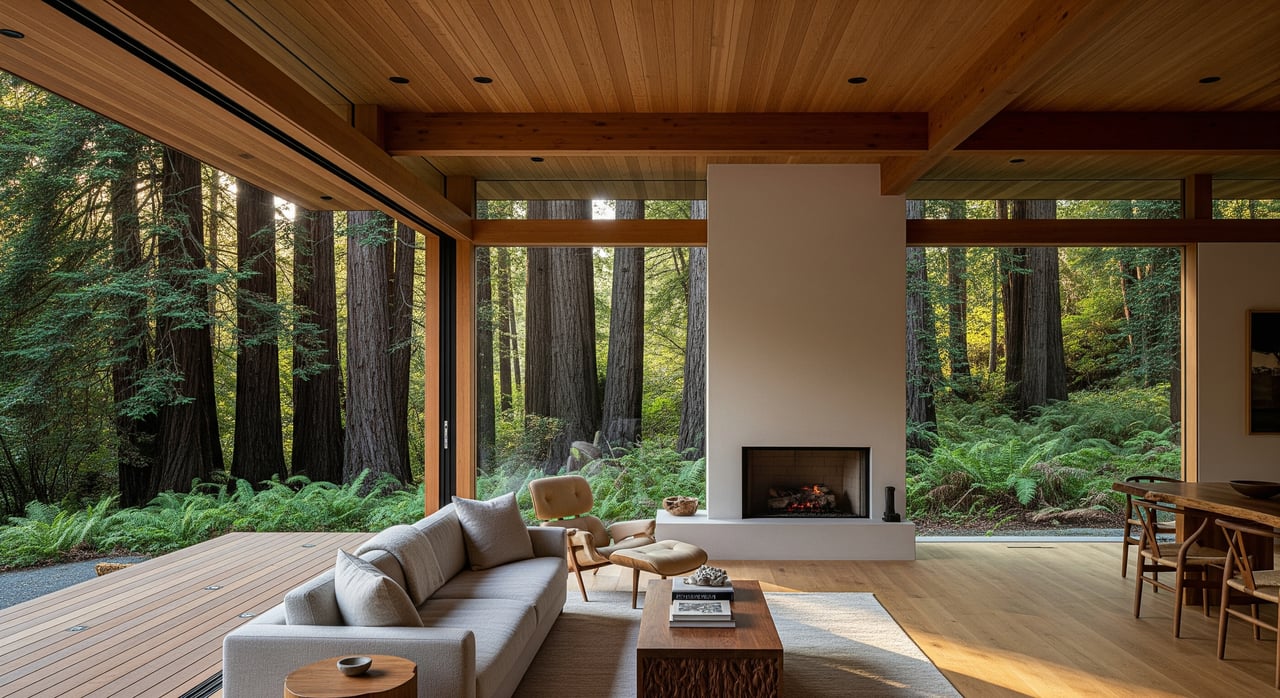
If you love living among redwoods but feel like your rooms are a bit too dim, you are not alone. In San Geronimo Valley, tall canopies, fog, and canyon microclimates can make bright interiors a challenge. The good news is you can capture more natural light without risking moisture problems or running afoul of local rules. Below, you’ll find design moves that work under redwood shade, plus practical tips for fire safety, permitting, and maintenance. Let’s dive in.
San Geronimo light and climate
San Geronimo’s cool Mediterranean climate brings mild temperatures, dry summers, and a rainy winter season. Seasonal daylight shifts a lot, with the longest days in June and the shortest in December, so your lighting plan should work across seasons. Local fog and canyon humidity can reduce solar exposure and keep surfaces damp longer, which affects both daylight and upkeep. You can review local climate patterns in the San Geronimo area to set expectations for year-round light and weather.
- Learn more about the area’s climate and daylight patterns at the San Geronimo climate overview. (Weather Atlas)
- Redwood canopies filter light into diffuse glow and short sunflecks rather than steady direct sun, so plan for lower average light with bright moments. (USDA Forest Service research on redwood light behavior)
Use a diffuse-first daylight strategy
Under redwoods, direct sun is limited. That means you will get the best results by capturing diffuse skylight, redirecting it onto bright surfaces, and moving it deeper into rooms. This approach reduces glare, keeps spaces even, and makes small openings work harder. The U.S. Department of Energy outlines key daylighting principles that apply well in shaded sites. (DOE daylighting basics)
Smart window placement
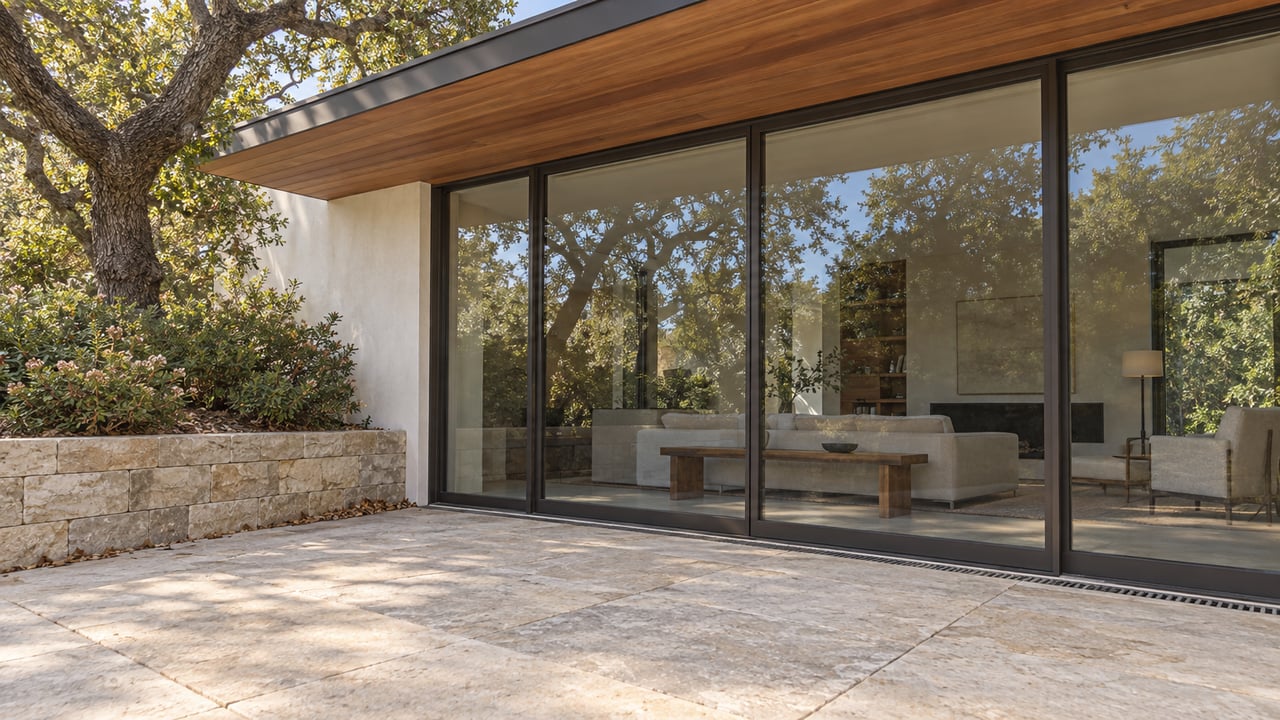
Prioritize windows that see the most open sky, not just the best view. If canopy blocks the south and west sides, north-facing glazing can bring in steady, even light. High windows and clerestories let light wash ceilings and upper walls so it penetrates farther into the room. Where possible, pair high glazing with operable vents to support stack ventilation on mild days.
Roof options: skylights and sun tubes
Roof planes often have better sky access than walls. Skylights deliver large shafts of diffuse light and a view of the sky when you have room for a shaft and want a visual connection. Tubular daylighting devices collect light through a small roof dome and bounce it down reflective tubes, which is great for hallways, baths, and interior rooms that need brightness but not views. Choose units with proper flashing and glazing suited to Marin’s mild climate and shaded conditions. (DOE guidance on skylights and tubular devices)
Redirect and reflect light
Light shelves can help push light deeper into rooms where at least some sun reaches the facade. In heavier shade, prioritize high-reflectance ceilings and light interior finishes so limited daylight goes farther. Continuous bright surfaces, like a pale ceiling and upper wall band, extend the reach of available light. The Whole Building Design Guide offers practical strategies for reflective surfaces and daylight spread. (WBDG daylighting principles)
Pick glazing that favors light
Ask for NFRC-rated products and focus on visible transmittance (VT) and a strong light-to-solar-gain ratio. In shaded, mild climates, spectrally selective low-e coatings can let in ample visible light while limiting heat gain if sun does reach the glass. Balance VT with a U-factor that maintains comfort on cool nights. (How to read window performance ratings)
Plan your layout and lighting
Open up paths for light
Arrange your floor plan so primary living spaces sit where sky view is best. Reduce partitions near key windows, or use interior clerestories and glazed transoms to create “daylight corridors” into deeper rooms. Even small interior windows can transform a dark hallway when paired with a bright ceiling. (WBDG daylighting principles)
Add smart lighting controls
Use daylight-responsive dimming so electric lights only boost what you already get from outside. Zoning lights by task areas helps you keep the overall vibe warm while brightening work surfaces as needed. Tunable or warmer LEDs can support comfort during long foggy stretches, and modeling tools can help you avoid glare in rooms with mixed daylight.
Moisture, energy, and upkeep
Manage moisture and mold risk
Shaded sites can stay damp, which raises the importance of ventilation and humidity control. Keep indoor relative humidity around 30 to 60 percent, make sure windows and skylights are flashed and drained correctly, and ventilate bathrooms, crawlspaces, and attics. Proper detailing and steady ventilation help you enjoy more light without inviting condensation or mold. (Public health guidance on moisture and indoor air)
Comfort and energy tradeoffs
More daylight can cut electric lighting use. Larger new windows or multiple skylights, however, may increase winter heat loss or summer heat gain. Tubular devices often offer a good balance of brightness with minimal thermal penalty. Use NFRC metrics to select the right glazing for each orientation. (DOE window performance ratings)
Maintenance under canopies
Redwoods drop needles and debris that collect on roofs, gutters, and skylights. Plan for regular cleaning to keep light paths clear and drainage working. Choose durable flashing and accessible locations for skylights or tubes to simplify maintenance. (DOE skylight guidance)
Local rules: trees and fire safety
Permits for pruning or removal
Before pruning or removing trees to gain light, confirm whether your redwoods or other trees are considered protected or heritage under Marin County rules. Many scenarios require a Tree Removal Permit, and an arborist report is often recommended. Always check status and process before you cut. (Marin tree permit overview)
Coordinate with defensible space
Vegetation management for fire safety is required near homes throughout Marin. Work with local guidance to space plants, lift lower limbs, and clear debris in the first zones around your home. Smart pruning can improve both daylight and defensible space when done within guidelines. (Marin Wildfire vegetation management)
Quick wins for sellers or new owners
- Repaint ceilings with a high-reflectance finish and use lighter upper-wall tones to boost perceived brightness.
- Add tubular daylighting devices in interior baths, halls, or closets where views are not essential.
- Swap heavy window treatments for light-filtering shades and simplify large interior furniture near key windows.
- Use interior transoms or glazed panels to borrow light between rooms.
- Clean gutters and skylights before showings to remove debris that blocks light.
Buyer and seller checklist
- Document sky access: take photos of canopy and roof openings at different times of day and seasons; note where sunflecks hit floors and walls. (Daylighting planning basics)
- Ask about tree status and permits before any pruning or removal, and engage a licensed arborist when needed. (Marin tree permit overview)
- Review window and skylight specs: VT, SHGC, and U-factor, plus flashing details and condensation control. (DOE window performance ratings)
- Confirm ventilation and humidity control plans, especially in baths, crawlspaces, attics, and shaded north facades. (Daylighting planning basics)
- Align any vegetation work with defensible space rules and keep records of actions taken. (Marin Wildfire vegetation management)
Ready to brighten your Valley home?
You can live under redwoods and still enjoy naturally bright rooms. With the right mix of high windows, roof daylighting, reflective finishes, smart glazing, and careful moisture control, your home can feel calm, inviting, and energy aware. If you want a tailored plan or pre-listing design and construction guidance, connect with Drew Thomas for a discreet, design-minded consultation.
FAQs
What daylighting strategies work best under redwood canopy in San Geronimo Valley?
- Focus on diffuse-first design: high windows or clerestories, skylights or sun tubes where the roof sees open sky, and bright ceilings to push light deeper. Use NFRC-rated glazing with high visible transmittance.
Do I need a permit to prune redwoods for more light in Marin County?
- You may. Many protected or heritage trees require permits, and an arborist report is a smart first step. Check county rules before any pruning or removal.
Will adding skylights make my shaded home too hot or cold?
- It depends on product choice and placement. Tubular devices often add brightness with less heat gain or loss, and selecting the right glazing by NFRC ratings helps manage comfort.
How can I prevent mold when I add more windows or skylights?
- Mold risk ties to moisture, not the window itself. Use proper flashing and drainage, maintain indoor humidity around 30 to 60 percent, and ventilate baths, attics, and crawlspaces.
What quick changes can brighten a dark room without major remodeling?
- Repaint ceilings with a high-reflectance finish, add a sun tube in a dark hall or bath, lighten window treatments, and open interior pathways to borrow light between rooms.